Software Engineering Services
For almost 20 years, we’ve blended consulting talent with engineering expertise to offer clients integrated vision and execution that moves the needle. Our high-performing services help businesses embrace innovation and tackle the challenges of today’s digital world. Based on your strategic goals, our services capture and deliver business value in a cost-effective way.
Some of Our Software Engineering Clients:









Software Engineering Expertise
Since 2000, we've helped our clients enhance or deploy new services, while providing critical feedback every step of the way. Beyond offering premier software service capabilities, when you partner with us, you get a full team—QA, PMs, designer, and engineers—focused entirely on your needs. We combine extensive experience with the latest technologies to deliver next-gen solutions including AI, blockchain, big data, cloud or hybrid environments, and UI/UX design.

Code Audit Services
Persist or rebuild? Understanding your code base helps you know how to best move your business forward. We provide a holistic, objective, and independent analysis of the ease with which your code can be enhanced – or not.

Software Consulting
Whether upgrading or creating new code, our specialty is mitigating risk involved. We combine this ability with domain expertise to give our clients not just great software, but the solution their business needs to confidently evolve.

Custom Software Development
Most businesses are born from an entrepreneurial mindset, but tend to mellow with time. That's when the more adventurous pass them by. Softjourn is the solution. Focus on your main services, leave the software development to us!

Application Maintenance
Since day one, we've provided support and maintenance to every customer on every project. Now, we specialize in follow-through that reduces operational costs, increases user satisfaction, and lets your IT team focus on moving forward.

Research & Development
Our clients continually need to provide new and better services. We have our own R&D Centers, so we're uniquely positioned to help. Our R&D not only generates new ideas, but focuses on ideas worthwhile to understanding your customers.

Quality Assurance
QA helps create superior products. Our core belief is that analyzing and testing is critical—for instance, an undetected bug can disrupt your entire business or jeopardize user data. Testing is tedious, but we know how to make it happen at minimal cost and time.

Digital Product Design
Our designers work directly with you to understand your goals. Then they design options and seamlessly transition designs to our developers or, if desired, your team, to build and deploy. With us, you go from idea to implementation faster, more affordably.

Discovery Phase
Typically, clients focus on their desired end result. We help clearly identify the real-world impact your product will offer, creating a more in-demand result. Once we know your goals, we have the technical expertise to create the optimal solution—with an intuitive design.

API Development
Our team of experts will show you how APIs can grow your business faster than ever before. By facilitating a network of shared services that integrate disparate systems, our clients can now seek new opportunities and transform operations.

Mobile Development
Business apps do more than sell: they also educate, engage, and support. When creating iOS and Android apps, we improve consistency and reduce costs for projects that target both. We deliver superior functionality and UX design.

Web Development
Since 2001, our web development portfolio ranges from large and intricate web systems like complex internet applications to electronic businesses and social network services. Frontend, backend, full stack and beyond, our talented team handles it all.

Legacy App Modernization
Revitalize your existing applications by upgrading them with modern technologies and enhanced features. Our legacy modernization services help you improve performance, ensure compatibility, and extend the lifespan of your software, all while minimizing disruption to your business operations.

Cloud Consulting Services
Enhance your cloud strategy with our Cloud Consulting Services, tailored to optimize performance, security, and scalability. Whether migrating, modernizing, or managing, we help you unlock the full potential of cloud technology.

DevOps Outsourcing
Boost efficiency with our DevOps services that unify development and operations through automation and CI/CD, from cloud optimization to continuous delivery. Achieve faster releases, improved collaboration, and system resilience.
Software Engineering Case Studies
 Mobile Development
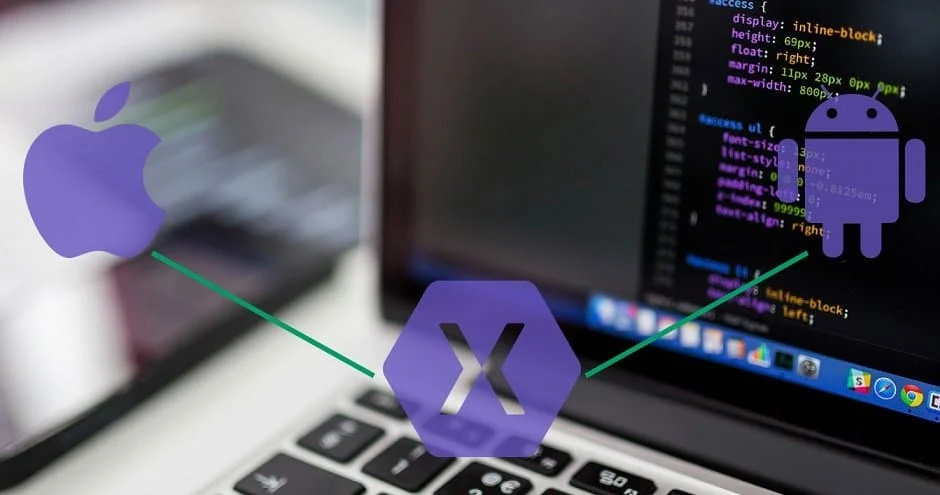
Ticketmaster: Xamarin Scanning App Development
Seeking a less expensive and time-consuming ticket scanning app, Ticketmaster approached Softjourn about investigating whether Xamarin mobile app development would fit its needs. In just five weeks, we proved that Xamarin would both reduce operational costs and required maintenance time over Ticketm
 Expense Management
A Leader in Innovation After a Decade of Partnership
Our software engineering services played a crucial role in our partnership with PEX. From developing a scalable microservices architecture to creating a robust marketplace with various integrations, we provided comprehensive software engineering solutions to meet their business needs.
 Career Platform
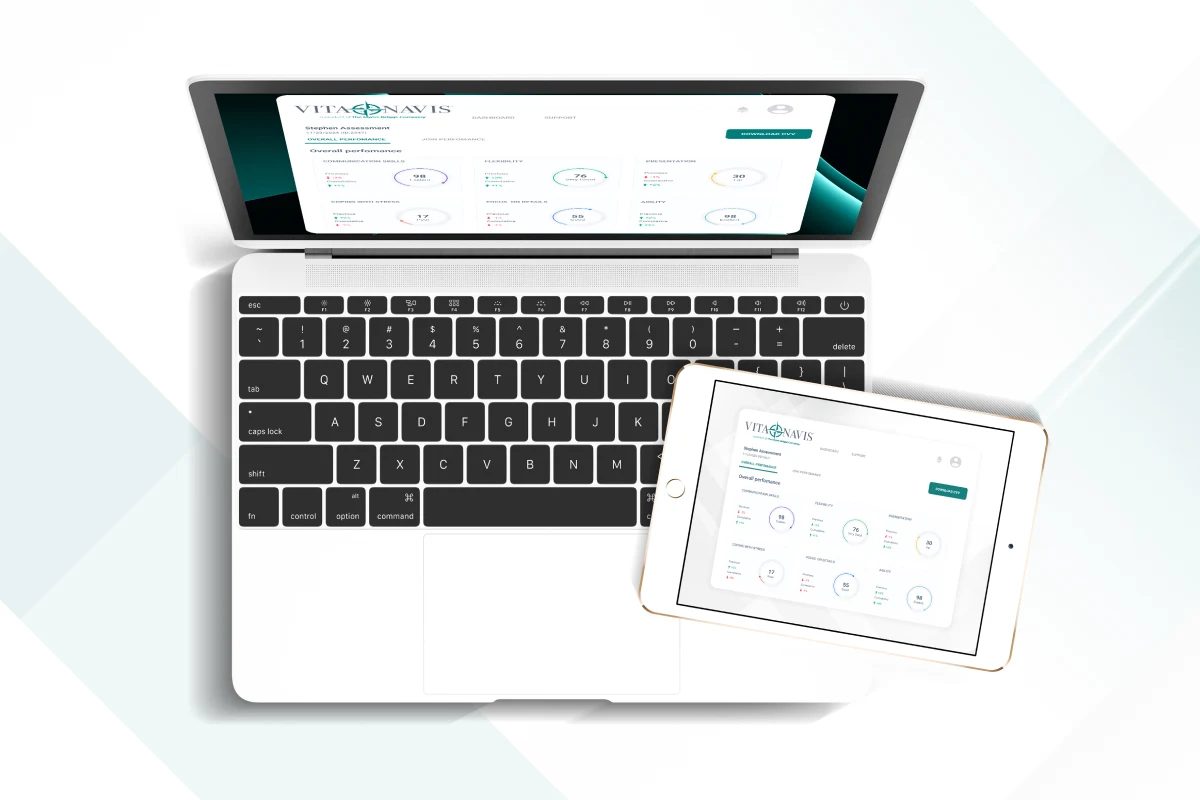
Our 9-Year Partnership with Myers-Briggs: Softjourn's Expertise in Building A Top Career Platform
Explore how Softjourn partnered with Myers-Briggs to modernize and enhance their career platform, adding new features, improving scalability, and ensuring long-term growth. Since 2015, we've built a trusted partnership, supporting Myers-Briggs in delivering an exceptional user experience for career
 Software Engineering
SecuTix: Supporting Business Growth with Integration
SecuTix chose Softjourn to develop Salesforce integration for SecuTix's ticketing product to allow users to sort information collected. The project included integration code, testing, and Softjourn's successful demonstration to SecuTix of the integration's capability.
 Application Maintenance
UPC: Improving Payment Processing with Server Maintenance
Softjourn migrated and upgraded software related to the stability, security, and reliability of the overall system, unifying processes that were spread out over different types of software. This enhanced the processing speed of the server, ensuring that transactions were completed according to indus
 System Rewrite
IMS Management Services: Software Rewrite to Modernize Legacy Systems
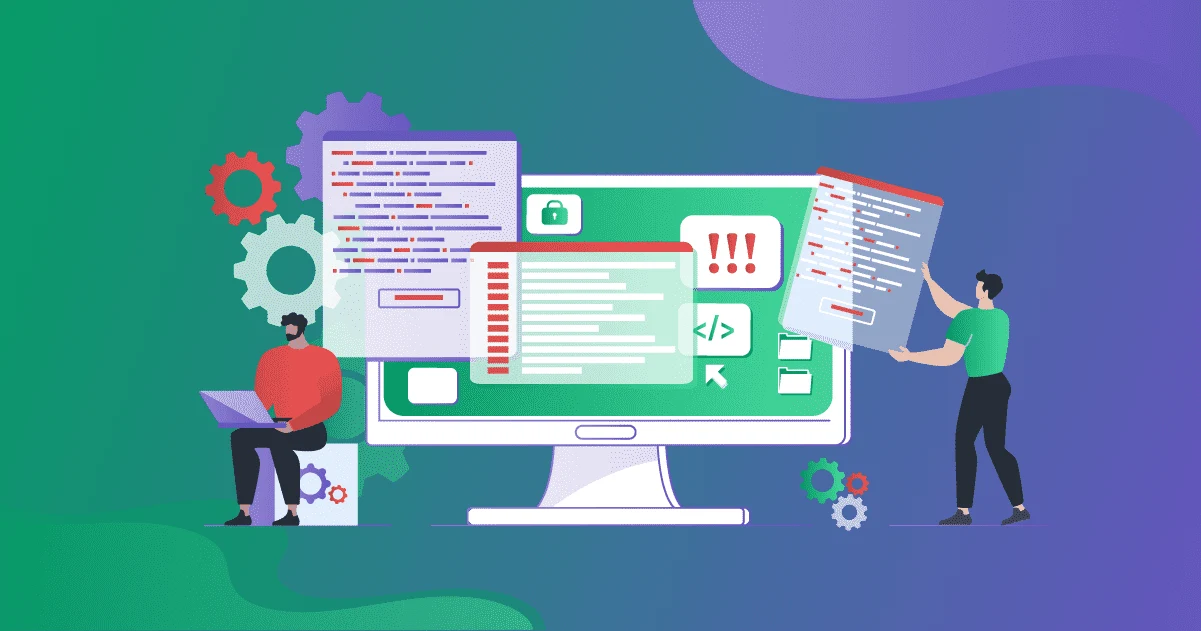
Choosing between refactoring legacy applications or performing an application rewrite is important, because both have pros and cons. However, when it comes to modernizing legacy applications, a software re-engineering is often the best course of action.
 Dedicated Team
Powwow: Empowering Remote Work with Low Code
Powwow collaborated with Softjourn to meet new customer demands as marketing trends developed. Over time, Softjourn took on the creation of Powwow's low code development platform, and then built customer applications using the low code platform entirely. It's a great example of a product team using
 Expense Management
Case Study: Benefits of Performance Testing in Fintech
Our client wanted someone to comb through their system and test the most commonly used features. That's exactly why our client decided to extend a team of software developers from Softjourn by adding more QAs, who they've trusted with many projects in the past.
 Platform Development
Case Study: How a Custom Analytics Tool Brought Great Value to an Expense Management Platform
After several consultation meetings, the client and our software development team were on the same page regarding the future development of Reports and Analytics.
 Expense Platform
Case Study: Expense Platform Development is the Key to Improving Customer Satisfaction
Over the past year, our client's number of users has increased by almost 100%. With more users, the client had to increase the number of software development teams to ensure their system could handle the added pressure.
 Expense Platform
Case Study: Building a Roadmap for Taking Over Product Maintenance and Support
After smoothly making it through all of the proposed phases of the project, Softjourn has successfully taken over the maintenance and software development of the client's product.
 Expense Platform
Case Study: Migration from Backbone to React - Making the Right Decision
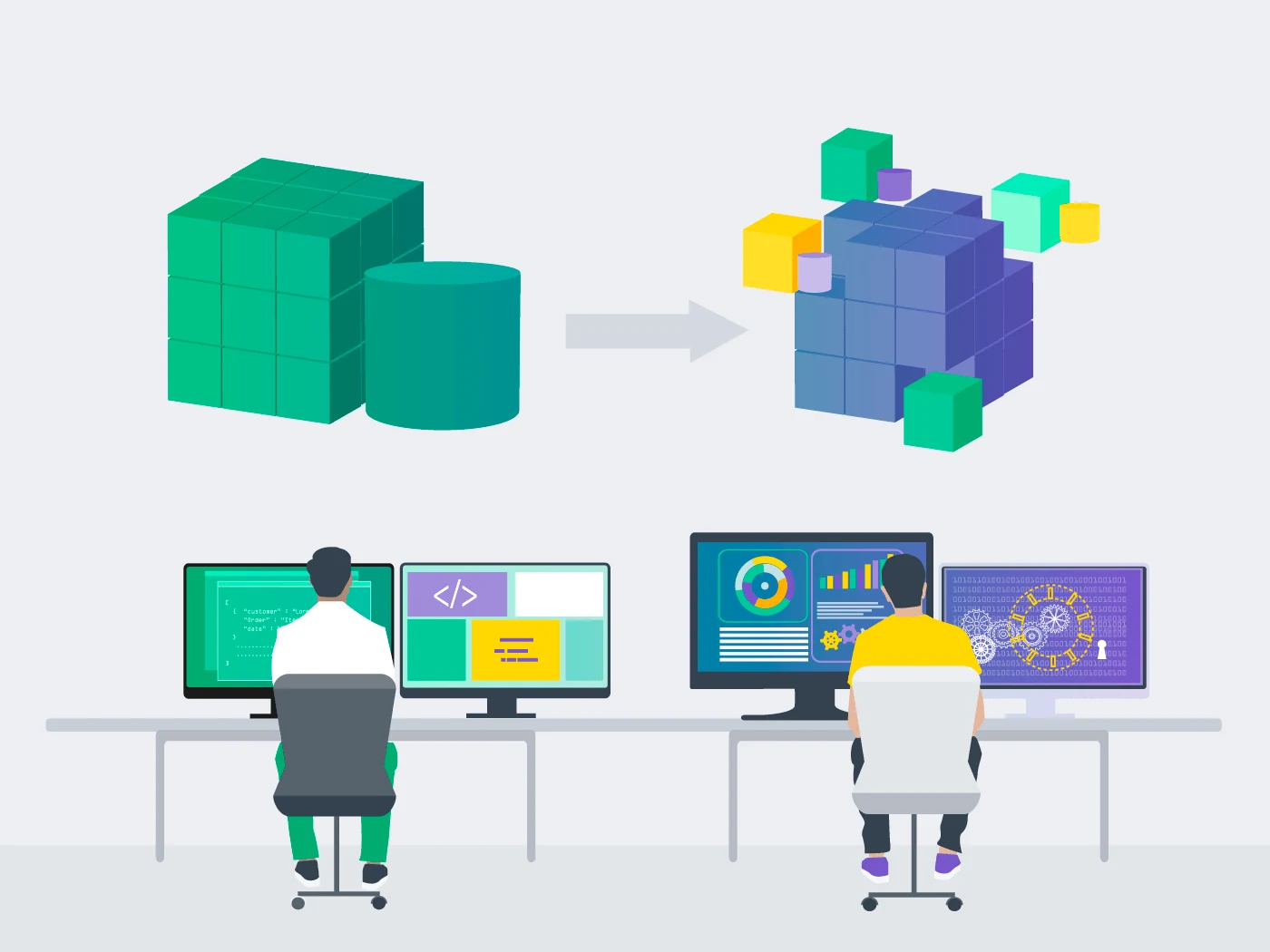
The client was interested in partnering with Softjourn due to our experience with legacy code rewrite and migration projects, our talented solutions architects with specialized industry knowledge, and the great results we shared with this client on their past projects.
 Ticketing Platform
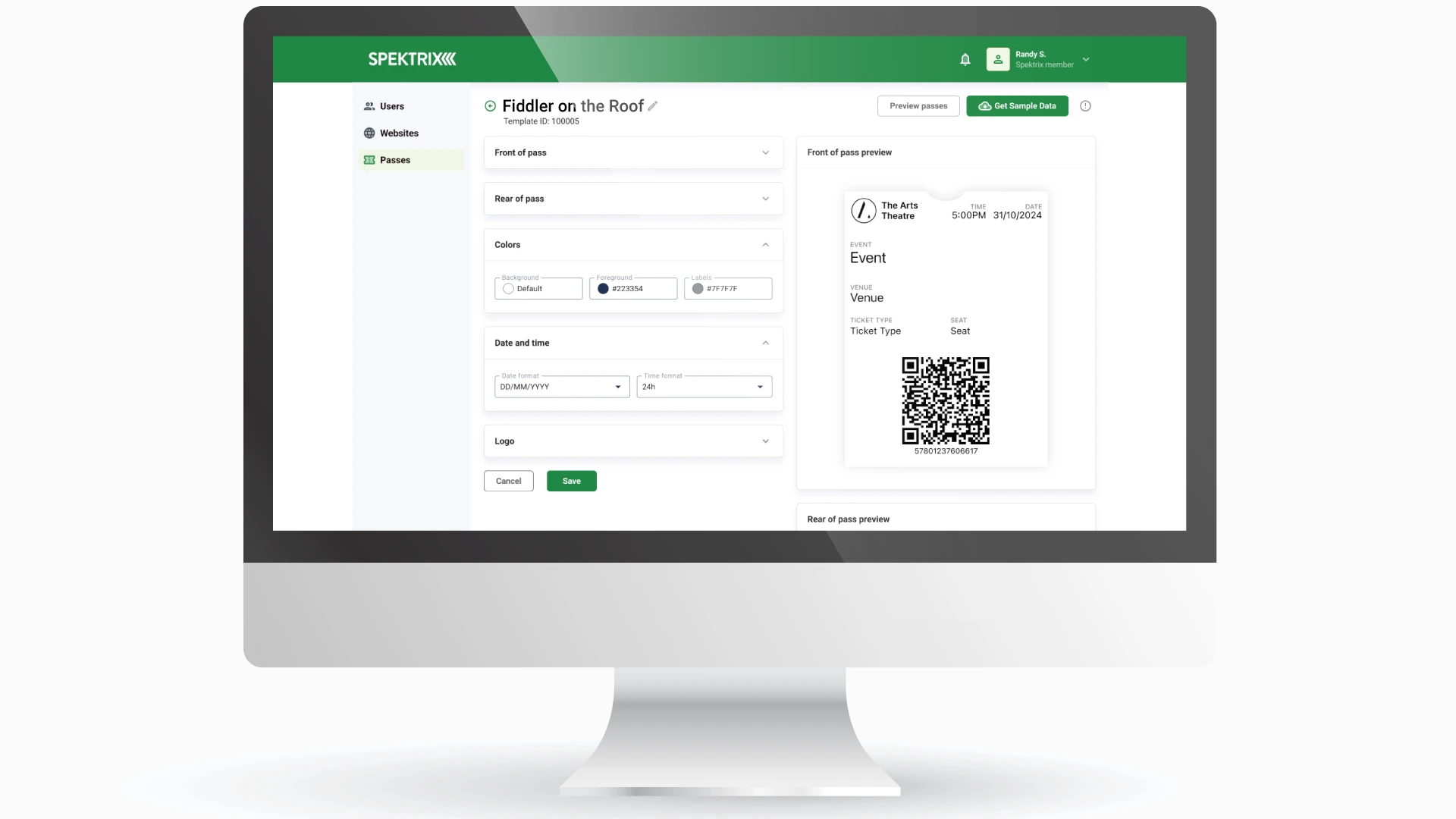
Spektrix: Empowering Event Organizers with a Custom Pass Builder
Softjourn provided comprehensive software engineering services to develop Spektrix's Custom Pass Builder, including frontend and backend development. Our engineering expertise successfully navigated complex technical challenges to deliver an intuitive solution that's been widely adopted by Spektrix'
 Future-Ready Design
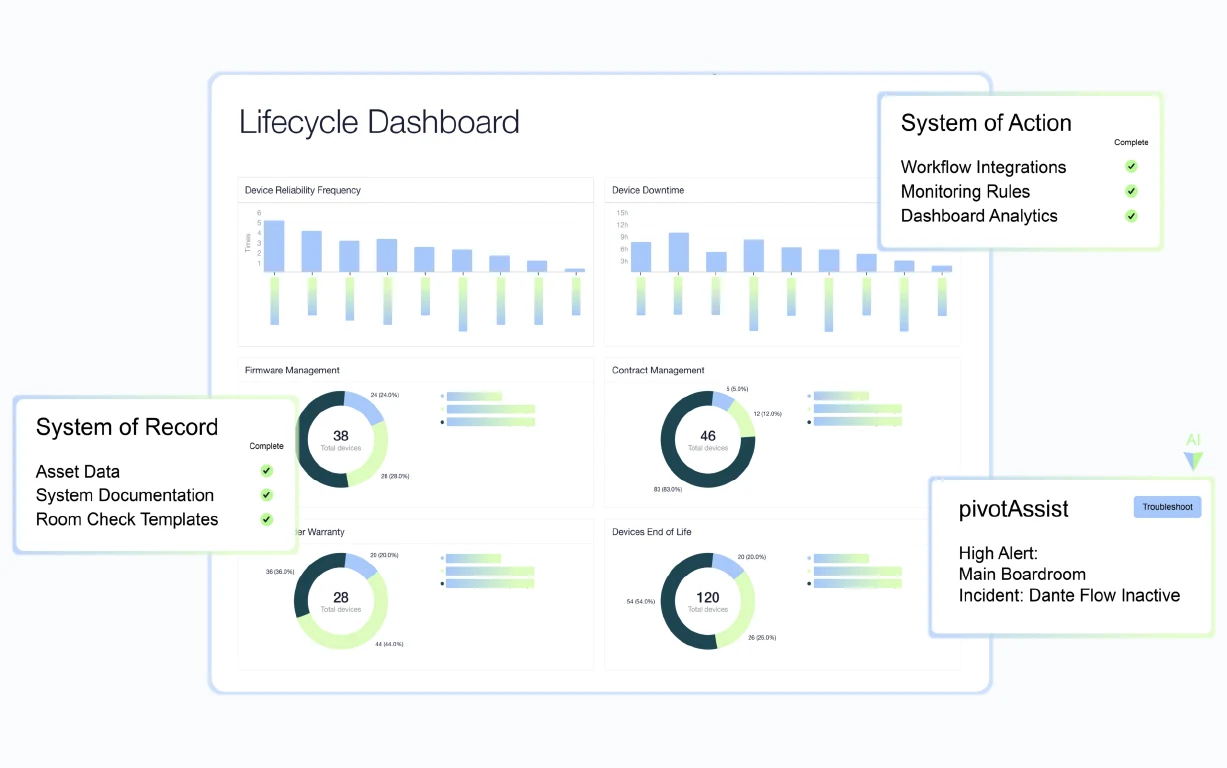
Architecting for Flexibility and Scale
Softjourn's solution architects designed a modular dashboard and rules-based alerting architecture that supports customization, growth, and future AI-driven capabilities. The result is a platform built to evolve with Pivot's roadmap.
Our software engineering experts can bring your ideas to life!
Contact UsEngagement Models
Need technical skills or expertise? A dedicated software engineering team can help extend resources, and can work seamlessly with your company under your guidance or ours. This model is ideal when planning long-term or larger scope projects, have several projects or a pool of tasks, or don't have a clear vision of future project objectives. Learn more about how Softjourn's dedicated team can support your projects and scale your business goals.


Client Testimonials
Tacit Corporation partnered with Softjourn for their exceptional software engineering services and direct approach. Brenda Crainic, CTO of Tacit, emphasized, "We started with a team of 3 resources, mainly .Net and Web and currently we have a very strong team of 20 spanning Web, iOS, Android, .Net and QA. The team evolved over time, and Softjourn worked very closely with us to understand our needs, the dynamic of the combined team in Canada and Ukraine and provided support for their professional growth and workplace satisfaction.
Our team's dedication to understanding Tacit's needs has been instrumental in enhancing their platform's capabilities, ensuring robust software engineering solutions. This ongoing collaboration underscores our commitment to delivering high-quality, innovative services that support our clients' visions." - Brenda Crainic, CTO and Co-Founder of Tacit
FAQ
We help enhance your software development lifecycle by integrating DevOps practices, implementing CI/CD pipelines, automating testing, and ensuring efficient team communication to accelerate the software development process and reduce bottlenecks.
Absolutely. Our specialists are experienced in a variety of technologies and platforms. We adapt to your existing tech stack and provide recommendations to enhance infrastructure based on your business needs.
Softjourn has extensive experience in fintech, ticketing and entertainment, prepaid solutions, expense management, and other related industries. Our deep domain knowledge allows us to create industry-specific solutions.
Our legacy modernization services help you transition from outdated systems to scalable and flexible solutions. We leverage emerging technologies such as cloud computing, microservices, and containerization to support digital transformation initiatives. We provide gap analysis, migration to cloud platforms, and custom feature development to bring your system up to current standards.
We use best QA practices such as automated testing, continuous integration, and peer reviews. Our QA engineers are involved, ensuring quality is built into every project phase.
Yes, our team specializes in designing systems that grow with your business. Whether through cloud scalability solutions, optimized architecture, or performance tuning, we ensure your applications are ready to handle increased demand.
We take a consultative approach, starting with understanding your business goals and defining success metrics. We work closely with stakeholders throughout the project to ensure that we're not just delivering a product but value.
We follow agile development methodologies, including Scrum, to ensure adaptive planning, iterative progress, and continuous improvement. We focus on delivering value incrementally and adjusting to changes quickly, providing transparency and collaboration throughout the project lifecycle.
Want to Know More?
Fill out your contact information so we can contact you

We have been working with Softjourn for 12+ years now and our developers continue to impress me with their expertise, knowledge, and dedication to our project. I count a lot of Softjourn's expertise and I am confident in our ability to deliver cutting-edge technology for our clients. They are my team and I count on them as if we were all working in the same office!
 Brenda CrainicCTO at Tacit Innovations
We were encouraged because Softjourn asked the right questions, involved people with the right experience in to the conversations. Showed good leadership in managing the process of walking them through the sales process, keeping them on track, and has a lot of strong knowledge in the financial area, as they are a small software developer company and there are always so many other things that are pulling us in multiple directions. As well Softjourn shows a lot of experience in multiple programming languages and in combining them in to one product.

Results are fantastic. On either iPhones or Android phones, the app is easy to use and really attractive. We're increasing our activity in the consumer market, and these great-looking, great-functioning apps will help us expand our reach.

Softjourn's work on the Access Control App is a shining example of how well a project can go. All of our requirements were met, no code changes were needed, and the app worked extremely well from the start.
 Stephen GlickenCEO & Co-Founder at Project Admission
Softjourn built out our QA process and provide true structure for QA going forward. I really enjoyed working with Softjourn, and am excited to keep on working with them.